
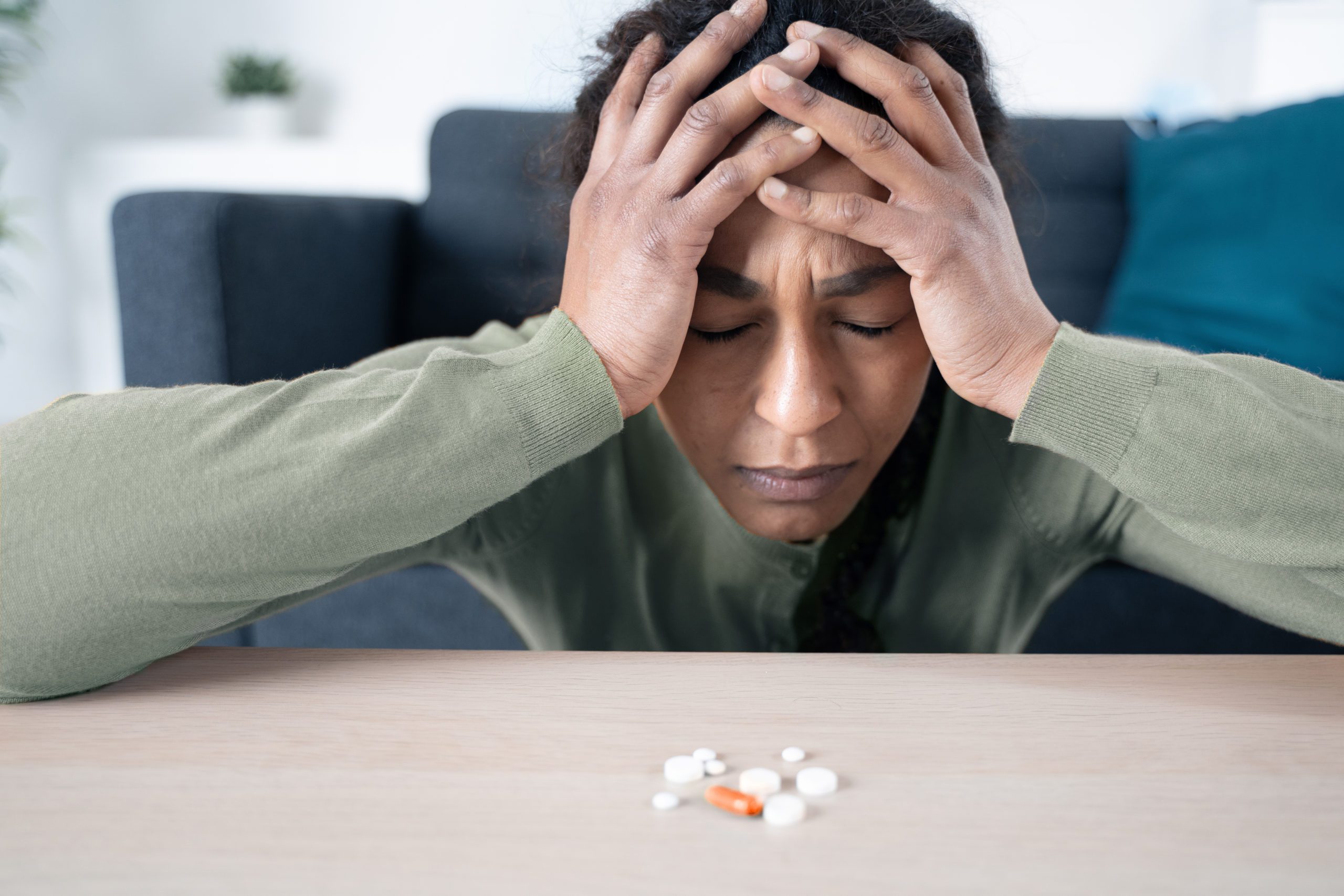
Living with overwhelming anxiety is not just exhausting; it can shape every moment of your day. When worry takes hold, focusing on daily tasks, connecting with others, or bringing calm to your mind may feel nearly impossible. In the search for relief, individuals sometimes turn to alcohol or drugs for a brief escape from distress. While this may offer momentary calm, it often leads to a heavier emotional burden, drawing a strong connection between anxiety and substance use.
If one condition is managed while the other is overlooked, the cycle of pain and coping continues. Understanding this bond is key to finding real, lasting support.
The Human Response to Emotional Pain
While it’s natural for people to seek comfort when emotional pain becomes too much to handle, the ways they try to cope can sometimes carry unintended consequences. Many begin using substances as a way to self-soothe symptoms that feel overwhelming on their own. Panic attacks, chronic worry, and social fears push individuals to seek any form of relief. For an in-depth resource on managing anxiety, this guide on anxiety offers supportive information and steps. A drink or medication may temporarily numb the discomfort, providing a brief, though artificial, sense of calm.
However, as the brain adjusts to these substances, it starts to produce fewer of its own calming chemicals. Over time, this can cause anxiety to return with even greater intensity. This creates a complicated relationship between anxiety and substance use, where it becomes difficult to tell where one ends and the other begins.
The Cycle Created by Self-Medicating
When substances wear off, people often experience a sharp rebound of anxiety, sometimes even stronger than their original symptoms. This can prompt repeated use, turning the cycle of distress and substance use into a loop that is tough to break. The physical symptoms of withdrawal and the emotional intensity of anxiety reinforce each other, making dual healing essential.
Integrated Treatment Breaks the Cycle
Previously, many treatment settings tried to address addiction and anxiety as two separate challenges. Individuals were often required to stop using substances before mental health support was provided. Today, mental health professionals recognize that this split approach is incomplete.
If only substance use is treated, lingering anxiety often causes a return to old coping behaviors. If only anxiety is addressed, physical cravings and withdrawal symptoms may disrupt healing. Sustainable changes happen when both are treated together.
How Comprehensive Care Supports Healing
Integrated treatment means building a plan that brings together therapists, addiction specialists, and medical professionals. This approach ensures emotional regulation tools are taught alongside safe physical care, so the whole person receives support. For those living with both anxiety and substance use, this coordinated plan creates a foundation for authentic recovery.
- Evidence-based therapies, such as cognitive behavioral therapy and mindfulness, help individuals manage daily worries.
- Medication, if appropriate, can support nervous system stability while healthier coping patterns are learned.
- Wellness strategies like grounding exercises and deep breathing offer gentle, practical skills to bring calm.
Focusing on Skills and Strengths
Moving beyond frequently asked questions, here are some guiding statements based on commonly raised concerns:
- Addressing both anxiety and substance use together increases the chance of lasting recovery.
- Building coping skills—such as mindfulness, grounding, and reframing—helps reduce the urge to use substances for relief.
- A comprehensive approach provides a strong support network, empowering individuals and families.
- Ongoing strategies include personalized therapy, community support, and regular health check-ins.
Closing Thoughts: Finding Real Hope in Healing
Taking the first step toward integrated care is a profound act of courage. When anxiety and substance use are both honored as important parts of your experience, the journey ahead feels less overwhelming. Progress may be gradual, and there will likely be obstacles along the way, but every small victory is worth celebrating.
You deserve support that recognizes your unique story, honors your strengths, and guides you toward wellness. If you’re considering a comprehensive program, know that compassionate help is ready whenever you are. Consider Evolve Indy®. Building a life of balance is possible one step, and one caring connection, at a time.