
Navigating your Mental Health while also facing challenges with drug or alcohol use can feel incredibly overwhelming for you and your family. When you are watching a loved one struggle, or experiencing this pain yourself, the daily unpredictability can drain all of your energy. You might feel scared, confused, and unsure of where to find real answers. Please know that your feelings are completely valid, and you are never alone in this heavy journey. True healing begins when we understand that emotional distress and substance use are deeply connected.
Many people arrive at this point after months or even years of trying to hold everything together in private. Some are managing panic, sadness, or trauma while also using substances to get through the day. Others are caring for someone they love and feeling helpless as they watch the changes unfold. In both situations, the pain is real, and the need for support is real too.
It can also be hard to tell where one struggle ends and the other begins. A person may seem withdrawn, angry, exhausted, or emotionally numb. What looks like resistance or a lack of effort is often a sign that the person is carrying more distress than they can manage alone. That is why compassionate, coordinated treatment matters so much.
Understanding the Deep Connection Between Mental Health and Substance Use
Many people mistakenly view emotional wellness and drug use as two completely separate issues that happen to occur at the same time. However, these challenges are often the exact same problem simply showing up in two different ways. Unresolved trauma, deep sadness, or intense worry usually live directly beneath the surface of substance use. When someone feels emotionally unsafe, they naturally look for a way to find temporary comfort and relief.
Using drugs or alcohol is frequently a quiet attempt to soothe a distressed nervous system. While these substances might offer a fleeting moment of peace, they ultimately make the underlying pain much worse over time. The brain chemistry becomes highly stressed, creating a painful cycle that is very difficult to break without professional help. Recognizing this deep connection is the most important step toward finding a solution that actually works.
For some people, substance use begins as a way to sleep at night, slow racing thoughts, or numb painful memories. For others, it becomes a way to cope with loneliness, shame, or intense emotional swings. The substance may change, but the pattern is often similar. A person is trying to feel better, safer, or more in control.
Over time, that short term relief begins to create long term instability. Alcohol can deepen depression. Drug use can increase anxiety, paranoia, and emotional confusion. As the emotional symptoms grow stronger, the urge to keep using may grow stronger too. This is one reason treatment has to address both sides of the struggle at the same time.
How Unseen Emotional Pain Drives the Cycle
Trying to push through intense emotional pain without support takes a massive toll on a person. When invisible wounds go untreated, everyday situations can feel completely unmanageable and frightening. Individuals often turn to outside substances just to get through a regular workday or a simple family gathering. This is not a personal failure or a lack of motivation to live well.
It is a natural human response to overwhelming pain that lacks a healthy outlet. Unfortunately, relying on substances hides the true medical needs of the individual from their loved ones. Family members often focus only on the physical behaviors of drug or alcohol use, missing the deep sadness underneath. This confusion highlights exactly why professional medical assessments are so vital for lasting wellness.
Unseen emotional pain does not always look dramatic from the outside. Sometimes it looks like isolation, missed responsibilities, irritability, or an inability to enjoy anything anymore. Sometimes it looks like a person who says they are fine while quietly falling apart. These signs are easy to misunderstand when families are already exhausted.
This can create painful cycles inside the home. Loved ones may plead, argue, or try to set rules without fully understanding what is fueling the behavior. The person who is struggling may feel ashamed, defensive, or even more alone. Without the right support, everyone can end up trapped in a pattern of fear and frustration.
That is why it helps to see substance use through a wider lens. When you understand that emotional pain may be driving the behavior, the situation starts to make more sense. More importantly, it opens the door to treatment that responds to the real problem instead of only reacting to the visible symptoms.
Treating the Whole Person Instead of Isolating Symptoms
True healing requires looking at the entire person rather than just focusing on the most visible symptoms. A comprehensive treatment plan addresses your Mental Health alongside your substance use in one supportive, coordinated environment. Medical professionals work together to gently stabilize your nervous system and provide completely safe therapies. This integrated approach removes the guesswork from recovery and builds a strong foundation of genuine trust.
You receive tailored care to manage intense emotions while learning healthy coping tools to protect your daily sobriety. This ensures that you feel genuinely safe, respected, and understood from your very first day of treatment. Knowing that your daily activities are designed specifically for your unique brain chemistry brings immense peace of mind. You never have to choose which part of your well-being deserves attention first.
Treating the whole person also means understanding your history, your stressors, and your goals. One person may need trauma therapy and support for panic symptoms. Another may need help with depression, sleep disruption, and alcohol dependence. Even when two people share the same diagnosis, their care should not look exactly the same.
This kind of individualized support can include therapy, medical care, structured routines, nutritional guidance, and support for rebuilding relationships. It may also include medication-assisted treatment when that is clinically appropriate. These tools work best when they are part of one coordinated plan rather than scattered pieces of care that do not connect.
When treatment is integrated, progress tends to feel more stable and more meaningful. Instead of improving in one area while another gets worse, the person begins building strength across every part of daily life. That balance can make recovery feel more possible and more sustainable.
Replacing Judgement With Compassionate Clinical Care
Overcoming these deeply ingrained physical and emotional changes requires much more than just a strong desire to quit. When someone attempts to stop drinking or using drugs on their own, the emotional response can be severe and frightening. Specialized clinical care replaces family frustration with genuine understanding and highly trained medical expertise. Experts use proven practices to support your physical health while gently guiding your emotional recovery.
You deserve a care plan that treats your specific situation with the exact seriousness it warrants. A supportive community gives you the perfect safe space to practice your new wellness tools securely. Sharing an experience creates a deep sense of connection and mutual support among peers who truly understand your journey. You learn how to trust others again and communicate your needs effectively without using any substances.
Judgement often grows in places where understanding is missing. A family may think, “Why can they not just stop?” A person may think, “Why can I not get this right?” Both responses come from pain, but neither leads to healing. Compassionate care helps replace blame with clarity.
In a strong treatment setting, people are not reduced to their lowest moments. They are seen as human beings with stories, stress, needs, and strengths. That shift matters. When someone feels respected instead of judged, they are often more willing to be honest, participate in treatment, and accept support.
Compassionate clinical care also helps families heal. Loved ones can begin to understand how Mental Health symptoms and substance use interact. They can learn healthier ways to communicate, set boundaries, and support recovery without carrying the impossible burden of trying to fix everything on their own.
Rebuilding a Joyful Life With Dual Diagnosis Support
When the immediate symptoms of emotional distress are properly managed, the true work of personal growth can finally begin. Individuals in recovery discover how to rebuild their shattered self esteem through targeted, compassionate counseling that prioritizes their mental health. They participate in therapies that completely erase the deep isolation often associated with complex health conditions. Learning how to live well requires practice, patience, and professional medical guidance for both physical and mental health.
During treatment, you will develop daily routines that prioritize healthy sleep, balanced nutrition, and gentle physical activity. These highly practical tools help protect your sobriety while keeping your mind grounded in the present moment. Education is also one of the most powerful tools for maintaining your long term mental health. When professionals explain how your brain works, you realize that your struggles are medical conditions rather than personal flaws.
Rebuilding life after dual diagnosis treatment is not about becoming a different person overnight. It is about creating stability one step at a time and improving your mental health along the way. That might mean learning how to manage a stressful morning without alcohol, how to calm anxiety without a drug, or how to ask for help instead of shutting down.
Small changes matter more than they may seem at first. Going to sleep on time, showing up for therapy, eating regular meals, and reconnecting with supportive people can all help restore a sense of safety. These routines may feel simple, but they often become the framework that supports lasting recovery and better mental health.
Joy can return gradually. At first, it may look like a clear mind, a peaceful evening, or a conversation that feels honest. Over time, it can grow into stronger relationships, renewed purpose, and confidence in your ability to handle life without turning back to harmful patterns. A positive outlook is a cornerstone of good mental health. Healing is not always fast, but it is possible.
Frequently Asked Questions About Coordinated Support
Finding the right treatment path for your mental health and substance use naturally brings up important practical questions. Here are clear, helpful answers to guide you through these initial medical decisions.
How do doctors know which condition to treat first?
Medical experts do not force you to choose between your mental health and substance challenges. They use integrated programs to treat both your emotional needs and substance use simultaneously. This coordinated method, which addresses both mental health and addiction, provides the safest and most effective foundation for long term wellness.
Will I need to discuss my past trauma immediately?
You are always in complete control of what you share and when you choose to share it. Clinical professionals will gently guide your therapy at a pace that feels entirely safe for you, ensuring your mental health journey is respected. Your emotional security is always their highest priority.
Can my family participate in my recovery process?
Healthy family involvement is highly encouraged once you have safely settled into your new routine. Dedicated therapy sessions teach your loved ones how to communicate effectively and set proper boundaries, which can be crucial for supporting your ongoing mental health. Healing together strengthens your entire support system for the future.
What happens if my emotional symptoms change over time?
Healing is a highly dynamic process, and clinical teams constantly monitor your daily progress. If new mental health needs emerge, your personal care plan is simply updated to reflect your current wellness goals. You will always receive the exact level of support you need for your mental health.
Taking the Next Step Toward Lasting Peace
Choosing to seek professional help is the most loving and courageous choice you can make for your future. Managing your Mental Health and your substance use is not a heavy battle you have to fight entirely alone anymore. Coordinated medical care provides the exact resources needed to rebuild a healthy, fulfilling, and beautiful life.
With the right clinical support, lasting stability and renewed joy are absolutely within your reach. The dedicated and compassionate team at Evolve Indy is here to support your family every single step of the way without any judgment. We understand the deep complexities of these conditions and are completely prepared to help you navigate them safely. If you are ready to find true healing, please reach out to our admissions team today to begin your journey.
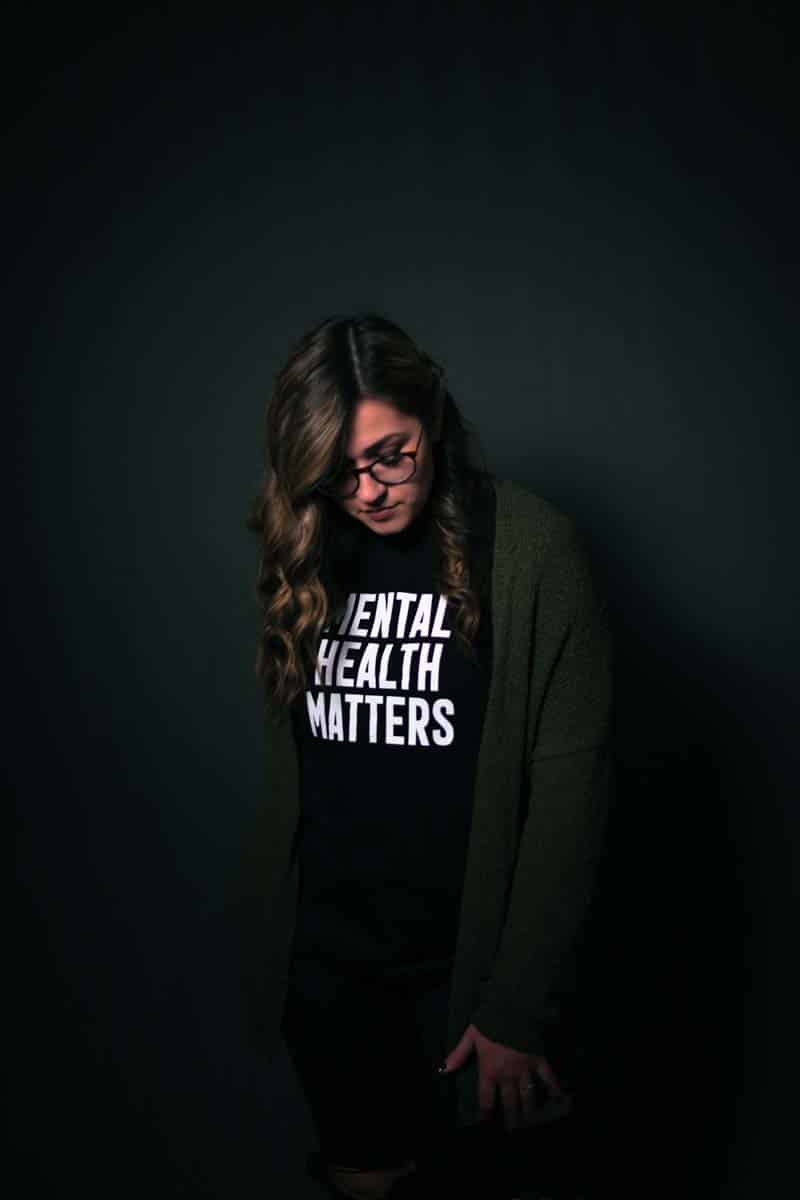
If you have been waiting for a sign that it is time to ask for help, this can be that moment. Your Mental Health matters. Your recovery matters. And with the right support, a safer, steadier, and more hopeful future can begin today.