
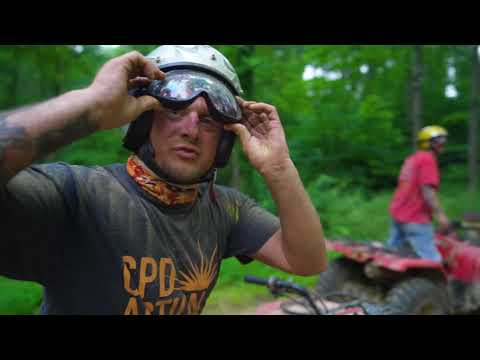
An adventure program is one of the most misunderstood approaches in addiction and mental health treatment, and that misunderstanding keeps people from accessing something that could genuinely change their recovery. If you are researching treatment options for yourself or someone you love, you may have come across the term and wondered whether it is serious clinical care or simply an outdoor activity dressed up as therapy. It is clinical care.
This article explains what adventure therapy actually involves, who it helps, and how it works alongside other forms of treatment at Evolve Indy®. Whether you are early in your research or nearly ready to make a decision, you will find clear, honest answers here.
What Is an Adventure Program in Addiction and Mental Health Treatment?
An adventure program in a treatment context is a structured, clinically guided approach that uses outdoor and experiential activities to support emotional healing and behavioral change. It is not recreation. Every activity is intentional, facilitated by trained clinicians, and tied to specific therapeutic goals.
The activities themselves can range from team problem-solving challenges to ropes courses, hiking, and group initiatives. What matters is not the activity but the clinical framework around it. Participants process their experiences in real time with a therapist, which turns a physical challenge into a window into their emotional patterns, avoidance tendencies, and relationship with fear.
How Does This Differ From Regular Outdoor Recreation?
The difference between outdoor recreation and adventure therapy is the presence of clinical structure. In adventure therapy, a therapist observes how a person responds to uncertainty, physical discomfort, and group pressure, then guides a conversation that connects those responses to patterns in the person’s life. That debrief is where the therapeutic work happens.
Someone who shuts down when a ropes course feels overwhelming may be doing the same thing in relationships or when cravings arise. The outdoor setting creates a safe space to notice that pattern and begin changing it.
How Does an Adventure Program Change a Person’s Relationship to Risk and Discomfort?
An adventure program works by repeatedly exposing participants to manageable challenges that require them to stay present, regulate their emotions, and take action despite uncertainty. Over time, this rewires how a person interprets and responds to discomfort.
Many people who struggle with substance use or mental health challenges have developed powerful avoidance patterns. Substances or other coping behaviors become a way to escape difficult feelings rather than move through them. Adventure therapy interrupts that pattern by making discomfort unavoidable and then demonstrating that the person can survive it and grow from it.
What Does This Look Like in Practice?
A person who has spent years numbing anxiety may find that standing on a high ropes element feels impossible. The therapist does not push them to complete the task. Instead, the therapist helps them notice what is happening internally and make a conscious choice about how to respond. That moment of conscious choice, repeated across multiple sessions, builds a new relationship with fear.
Why Does the Outdoor Setting Matter?
The outdoor environment removes the familiar cues that can reinforce old patterns. A person is not in their apartment, their neighborhood, or a clinical room that can feel sterile or distant. The natural setting creates genuine novelty, which increases emotional activation and makes therapeutic insights more vivid and memorable.
Research in experiential learning consistently shows that people retain and apply lessons more deeply when those lessons are connected to emotionally engaging experiences.
Who Benefits From Adventure Therapy?
An adventure program can be effective for a wide range of people, including those working through substance use disorders, depression, anxiety, trauma, and co-occurring conditions. It is particularly useful for people who have found it difficult to engage with traditional talk therapy.
Some individuals, especially younger adults or people who tend to intellectualize their experiences, respond more readily to action-based approaches. When the body is involved in the therapy, the emotional walls that protect someone in a traditional therapy setting are less accessible, and meaningful work often happens faster.
Is Adventure Therapy Appropriate for Everyone?
Adventure therapy is not appropriate for everyone, and a clinical team makes that determination carefully. Someone in early withdrawal, experiencing an active mental health crisis, or with significant physical limitations may not be a candidate for this modality at a given point in their treatment. At Evolve Indy, clinicians assess each person individually and match them to the therapeutic approaches that fit their current needs and goals.
If an adventure program is not the right fit immediately, it may become appropriate later in treatment. The clinical team revisits that determination as a person stabilizes.
How Does an Adventure Program Fit Into Broader Treatment at Evolve Indy?
An adventure program at Evolve Indy is one component of a comprehensive treatment plan, not a standalone intervention. It works alongside individual therapy, group therapy, psychiatric support, and other evidence-based modalities to create a treatment experience that addresses the whole person.
Evolve Indy offers multiple levels of care, including Partial Hospitalization Program (PHP) and Intensive Outpatient Program (IOP), which allow people to receive structured clinical support while gradually building independence. Adventure therapy is woven into this continuum in a way that complements what a person is working on in their other therapeutic sessions.
How Does Adventure Therapy Support Long-Term Recovery?
Adventure therapy builds skills that transfer directly to daily life after treatment. Tolerating discomfort, making decisions under pressure, trusting others, and pushing through fear are not just skills for a ropes course. They are skills for managing cravings, navigating relationships, and returning to work or school after treatment.
The goal of any adventure program component is to give a person lived, embodied evidence that they are more capable than they believed. That evidence becomes part of how they understand themselves in recovery.
What Should You Look For When Evaluating an Adventure Therapy Program?
The right adventure therapy program is clinically supervised, individualized, and integrated into a broader treatment plan rather than offered as a standalone experience.
Here are the questions worth asking:
- Qualified clinicians facilitate every session, which means your loved one is not simply doing outdoor activities with a recreation coordinator.
- Clinical debriefing is built into each activity, which means the therapy happens in the conversation that follows, not just in the physical challenge itself.
- The adventure component is matched to each person’s treatment goals means the program is not one-size-fits-all.
- The facility offers multiple levels of care, which means adventure therapy is part of a larger, sustained support system rather than an isolated experience.
If a program cannot answer these questions clearly, that is useful information. A reputable treatment center will welcome specific questions about how its clinical model works.
Common Questions Before Starting an Adventure Program
Will someone with anxiety be expected to do things that feel terrifying?
No. Adventure therapy is not about forcing someone to confront their fear. Clinicians calibrate activities to the individual and prioritize psychological safety throughout every session. A person can always set limits.
What if my loved one is not athletic or physically capable?
Physical fitness is not a prerequisite for adventure therapy. Activities are selected based on what serves the person’s therapeutic goals, and the clinical team adapts accordingly. The focus is on the emotional and relational experience, not athletic performance.
How soon in treatment does adventure therapy begin?
The timing depends on where a person is in their recovery and what their clinical team recommends. For someone who has recently completed detox or is still stabilizing, other modalities may take priority first.
Taking the Next Step Toward Healing
An adventure program is not a detour from serious treatment. It is a path into the kind of emotional work that changes how a person responds to life’s inevitable discomforts, and that change is what makes lasting recovery possible.
If you are exploring treatment options for yourself or someone you care about, the team at Evolve Indy is here to answer your questions honestly and help you find a path that fits. Recovery does not follow a single road, and there is room for approaches that meet people where they are.