

At Evolve Indy, we see it as our purpose to not only treat drug addiction in those experiencing it but, to understand their situation as best as possible. With better understanding comes better outcomes. To that end, you might want to know what drug addiction feels like or represents to an addict in recovery or to understand why they are often treated as “less than” other people. Here, we will try to answer those questions.
What Is Drug Addiction To An Addict
Drug addiction is often framed incorrectly, and treated as a personal choice, rather than a chronic disease. It is true that the decision to abuse drugs often lies on the shoulders of the individual who uses them, and that responsibility for one’s recovery, whether through hospitalization, outpatient treatment, or otherwise, depends on them. However, there are various different circumstances that lead people to drug abuse, and addiction is much more likely in some individuals as a result of their biology, their environment, and their development.
Drug addiction is an entirely different matter entirely. Though there are behavioral elements that are treated through our outpatient program, there is a chemical dependency element. This doesn’t discriminate between addicts. It’s more than just a craving, it’s a feeling that the body cannot function without the substance, and without help, withdrawing from that substance can be unimaginably painful, both physically and mentally. As such, it can feel like the drug is something that becomes vital for life.
Addicts do not abuse drugs because they enjoy them, regardless of the effects of the drug. They use them because they feel that they have to and they cannot function without them.
Why Are Drug Addicts Seen As Less Than?
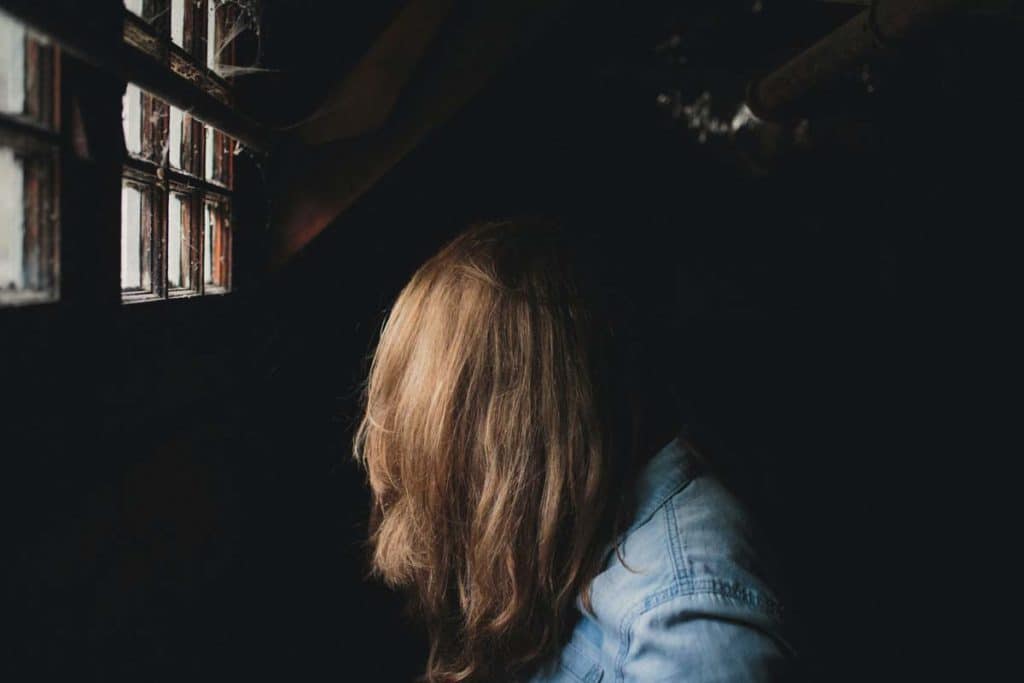
The question as to why drug addicts are treated as “less than” is a complex one, that takes into account how police and health care services have been trained to treat addicts. The decision to treat drug addiction as a moral failing came hand-in-hand with the “War on Drugs.” Drug addicts were seen and depicted largely as immoral, irresponsible, and at fault for addiction. In reality, a lot of people turn to drugs for reasons removed from recreational use and, even then, addiction is far from a personal choice.
This can greatly hurt the people who need help, as stigma often makes people avoid the topic altogether. It affects their self-esteem, leading to worse mental health outcomes, as well as worse treatment from people around us, and can prevent us from seeking the help that we need.
Get help for you or those you love
If you or a loved one is struggling with drug addiction, remember that you are not alone and recovery is possible. Understanding the different levels of care, from partial hospitalization (PHP) to intensive outpatient programs (IOP), is the first step toward finding the right path for your unique situation. Each program offers a structured yet flexible approach, providing the tools, support, and therapeutic environment necessary to build a foundation for lasting sobriety. Taking the time to learn about these options empowers you to make an informed decision for yourself or the person you care about.
At Evolve Indy, we specialize in guiding individuals through these critical stages of recovery. Our dedicated team is committed to creating personalized treatment plans that address not just the addiction itself but also the underlying factors contributing to it. We believe in a holistic approach that combines evidence-based therapies with compassionate support, ensuring you feel seen, heard, and valued every step of the way. Choosing Evolve Indy means choosing a partner who will walk alongside you on the journey to a healthier, substance-free life.
Are you ready to learn how a partial hospitalization or intensive outpatient program can be tailored to your specific needs? Contact our admissions team today. Let’s discuss your situation and explore how Evolve Indy can provide the structured support and expert care necessary to take that crucial first step toward recovery.