

Recovering from drug addiction is a significant journey, one that requires both courage and the right level of support. For many individuals, finding a treatment option that bridges the gap between 24-hour residential care and standard outpatient therapy is crucial. This is where a Partial Hospitalization Program (PHP) offers a vital solution. It provides a unique balance of intensive, structured medical and therapeutic support during the day, while allowing individuals the freedom to return to the comfort of their own homes in the evening.
A Partial Hospitalization Program is often the ideal middle ground for those who need more than a weekly therapy session but do not require round-the-clock supervision. It offers a rigorous, supportive environment for healing while empowering individuals to maintain a connection to their daily lives. This approach fosters independence and helps ease the transition back into everyday routines, ensuring that recovery is not just a destination, but a sustainable way of life.
Balancing Intensive Care with Daily Independence
The primary benefit of a Partial Hospitalization Program is its ability to offer high-level care without full residential confinement. Clients typically spend several hours a day, five to seven days a week, at the treatment center. During these hours, they engage in a comprehensive schedule of therapies, medical check-ins, and skill-building workshops—similar to what is offered in inpatient rehab.
However, when the day ends, they return home. This daily return to “real life” is a significant advantage for many. It allows individuals to sleep in their own beds, stay connected with supportive family members, and practice the skills they are learning in treatment immediately. This freedom requires a stable and substance-free home environment, but for those who have it, the ability to maintain daily independence can be a powerful motivator. It reinforces the idea that recovery is integrated into life, not separate from it.
A Crucial Step Down from Residential Treatment
For many individuals, leaving a residential treatment center can feel abrupt. After weeks or months of living in a highly protected environment, returning to the unstructured world can be overwhelming. A Partial Hospitalization Program serves as an essential “step-down” level of care. It acts as a safety net, providing continued structure and accountability while the individual gradually acclimates to increased freedom.
During this transitional phase, clients can test the waters of independent living while still having intensive support to fall back on. If they encounter a trigger at the grocery store or have a difficult conversation with a family member in the evening, they can bring that experience to their therapist the very next morning. This immediate processing helps prevent relapse and builds confidence. It turns potential stumbling blocks into valuable learning opportunities, ensuring that the transition to independence is safe and steady.
Comprehensive Structure for Holistic Healing
While a PHP offers more freedom than residential care, it is far from unstructured. The days are meticulously planned to maximize healing and growth. A typical day in a Partial Hospitalization Program might include:
- Individual Therapy: One-on-one sessions allow clients to dive deep into personal history, trauma, and specific addiction triggers in a private setting.
- Group Counseling: This is often the heartbeat of the program. Connecting with peers who are facing similar challenges reduces isolation and builds a sense of community. It provides a safe space to practice communication skills and receive feedback.
- Skill-Building Workshops: Clients learn practical tools for emotional regulation, stress management, and relapse prevention. These sessions focus on “life skills” that may have been neglected during active addiction, such as financial planning or healthy cooking.
- Medical and Psychiatric Support: For those with co-occurring mental health conditions like depression or anxiety, a PHP provides regular access to medical professionals for medication management and health monitoring.
This holistic approach ensures that every aspect of the individual—mental, physical, and emotional—is being addressed. It treats the whole person, not just the addiction.
Building a Sober Life in the Real World
Ultimately, the goal of addiction recovery is to live a fulfilling, sober life in the real world. Partial hospitalization plays a crucial role in accelerating this process by encouraging clients to build healthy routines outside of the treatment center. Partial hospitalization allows clients to spend their evenings and weekends at home, giving them the opportunity to start engaging in sober hobbies, attending local support group meetings, and reconnecting with loved ones.
This integration helps dismantle the fear that a sober life is boring or impossible. Clients in partial hospitalization programs learn that they can enjoy dinner with family, read a book in their living room, or take a walk in their neighborhood without substances. Every successful evening spent at home builds resilience and self-efficacy. By the time they graduate from the program, they have already laid a solid foundation for their new life.
Find Your Balance at Evolve Indy
Recovery looks different for everyone, and finding the right level of care is essential for long-term success. If you or a loved one needs intensive support but also values the freedom to stay connected to home, a Partial Hospitalization Program might be the perfect fit. It offers the structure you need to heal and the flexibility you need to grow.
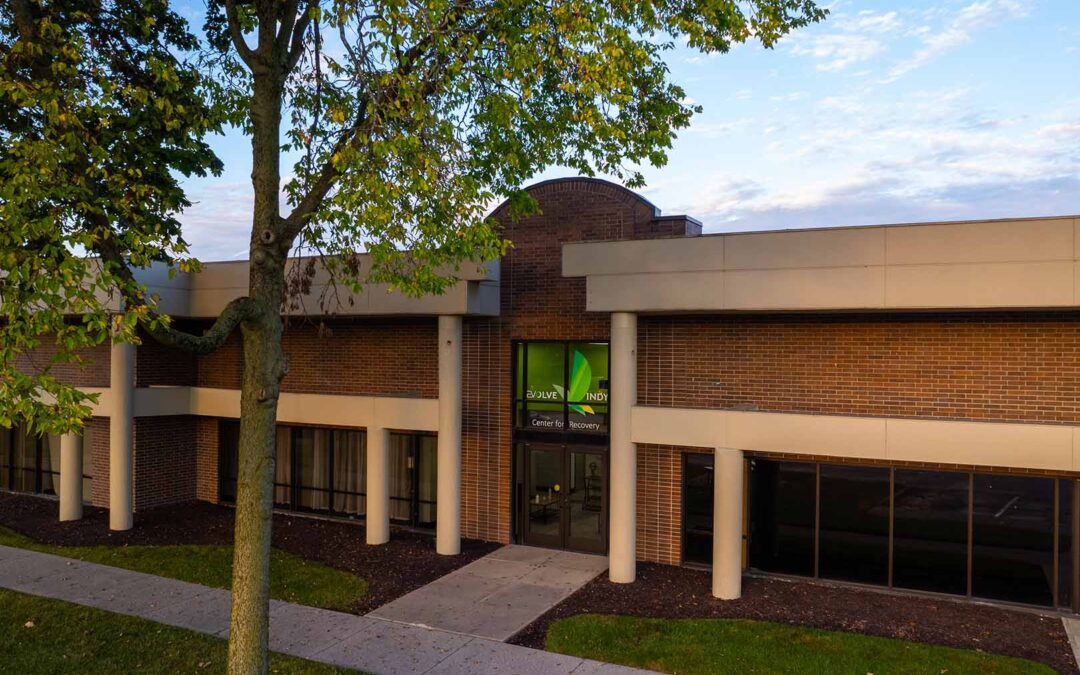
At Evolve Indy, we are dedicated to providing compassionate, evidence-based care that meets you where you are. Our Partial Hospitalization Program is designed to empower you with the tools, support, and confidence to build a lasting recovery. You do not have to choose between getting help and living your life—you can do both. Contact us today to learn more about how we can support your journey to wellness.